

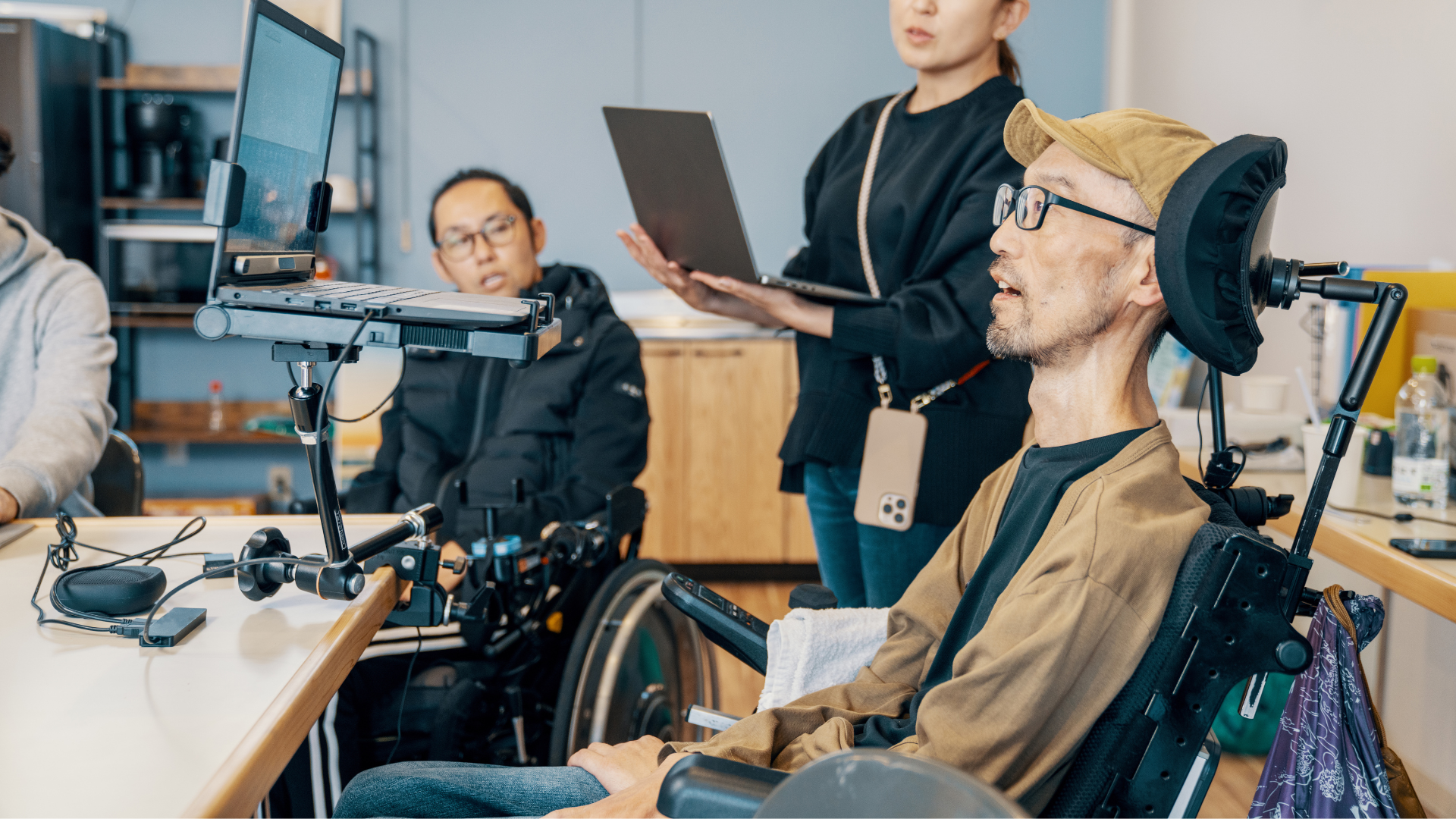
Choosing a wheelchair for someone with spinal muscular atrophy isn’t a one-size-fits-all decision. The type of SMA, the age of onset, how far the condition has progressed, and what disease-modifying treatments someone has received can all end up playing a part in what kind of mobility support actually makes sense for the situation.
Whether you’re a patient, a caregiver, or a clinician, here’s what you should know about the different wheelchair options available for those with spinal muscular atrophy.
Key Takeaways:
- SMA affects the motor neurons responsible for controlling voluntary muscle movement and the degree of mobility impairment depends on the type and age of onset.
- Not everyone with SMA will need a wheelchair, particularly those with Type 3 or Type, though needs can change over time.
- Modern disease-modifying treatments have improved outcomes, especially when started early, which means mobility needs today may look very different from historical expectations.
What is Spinal Muscular Atrophy?
Spinal muscular atrophy (SMA) is a genetic neuromuscular condition caused by a deficiency of a protein called SMN (survival of motor neuron). Without enough of this protein, the motor neurons in the spinal cord that control voluntary muscle movement gradually degenerate, which leads to progressive muscle weakness and atrophy.
The condition primarily affects the muscles closest to the center of the body, including those in the shoulders, hips, thighs, and upper back. The muscles involved in controlling breathing and swallowing can also be impacted, particularly in more severe forms. SMA doesn’t affect a person’s intellect or senses.
The most common symptoms across different SMA types include muscle weakness and decreased muscle tone (hypotonia), difficulty with motor milestones such as sitting, standing, or walking, fatigue, and scoliosis.
Types of Spinal Muscular Atrophy
SMA is classified into five types based on age of onset and the degree of motor function affected.
Type 0
Congenital SMA is the rarest and most severe form. Type 0 presents before birth with significantly reduced fetal movement. Infants are born with severe weakness and typically experience respiratory failure at or shortly after birth. Survival beyond the first month is rare even with aggressive intervention.
Type 1
Infantile-onset SMA, or Wendig-Hoffmann Disease, accounts for roughly 60% of all SMA cases and is the most common severe form. Symptoms tend to appear within the first six months of life and may include generalized muscle weakness, a weak cry, difficulty swallowing and sucking, and breathing distress. Children with Type 1 are not able to sit unassisted.
Without disease-modifying treatment, outcomes were historically very poor, however, newer therapies administered early in life have changed this substantially.
Type 2
Intermediate SMA typically develops between six and eighteen months. Children can sit independently but are not able to stand or walk without support. Scoliosis and respiratory involvement are common. With the appropriate care and modern treatments, many individuals with Type 2 live well into adulthood.
Type 3
Juvenile SMA, also known as Kugelberg-Welander Disease, is the mildest form of childhood-onset SMA. Symptoms usually appear between eighteen months and early childhood. Most individuals with Type 3 are able to walk independently, at least early in life. Some are ambulatory into adulthood, while others gradually lose the ability to walk and transition to wheelchair use over time.
Type 3a refers to onset before the age of three, and Type 3b means onset after age three. Type 3b generally has a slower progression.
Type 4
Type 4 is a mild, late-onset form of SMA that typically develops after age eighteen, normally in a person’s thirties or forties. Progression is slow, and most individuals maintain ambulation and have a normal life expectancy. Wheelchair use is only occasionally necessary.
Wheelchair Options for Spinal Muscular Atrophy
There’s no single answer that works across the board because SMA affects people so differently. The right wheelchair will ultimately come down to where someone is functionally, what their posture needs, and how things have changed over time.
Manual Wheelchair
For someone with enough upper body strength, a manual wheelchair could be a good fit. It can be self-propelled or pushed by a caregiver, and the act of propelling it keeps the upper body muscles working, which matters for long-term health and endurance. Some people with SMA are fully independent in a manual chair and can transfer themselves, load it into a vehicle, and go about their day without much outside help.
Power Wheelchair
When arm or hand strength isn't enough to self-propel, a power wheelchair is usually the best option. Modern power chairs can be operated through joysticks, head arrays, chin controls, or sip-and-puff systems, so even people with very limited hand function can get around independently. Most also offer tilt, recline, and seat elevation, which matter for managing pressure and being at eye level in conversations rather than always looking up.
Standing Assist Devices
Standing does more than most people realize. It supports digestion, circulation, and breathing, reduces the risk of pressure injuries, and lets people take part in everyday activities at counter height or interact with others face to face. Standing devices range from static standers for those who can't bear weight on their own, to dynamic options for those who can participate in the movement. Some power wheelchairs now include integrated standing technology, which lets a user rise to standing without leaving the chair, which can be handy for reaching a shelf or working at a counter.
Custom Seating and Positioning
Whatever type of wheelchair someone uses, custom seating is almost always part of the picture. SMA affects the muscles that hold posture, and a standard seat typically doesn't provide enough support on its own. Custom molded or modular seating systems are built to support the spine and distribute weight evenly so fatigue doesn't set in as quickly.
Can You Walk With SMA?
Yes, sometimes! Not everyone with SMA needs a wheelchair. That said, as mentioned above, it mainly depends on the type of SMA, the age of onset, and, in recent years, whether and when someone received disease-modifying treatments like Nusinersen (Spinraza) or Onasemnogene abeparvovec (Zolgensma). These therapies have altered the trajectory of the condition, particularly for those who receive treatment early in life. In fact, some infants who would have historically had Type 1 SMA are now reportedly walking, which wouldn’t have been possible a decade ago.
Individuals with Type 3 and Type 4 are typically mobile for most of their lives, though some people with Type 3 gradually lose the ability to walk over time and may eventually need to transition to a wheelchair.
Is Spinal Muscular Atrophy a Progressive Disease?
Yes, SMA is generally considered a progressive condition, which means it tends to worsen over time, though the rate and degree of progression vary between types. Type 1 and Type 2, as mentioned above, involve more extensive and earlier decline, while Types 3 and 4 tend to progress slowly, with some individuals remaining relatively stable for years.
Adapting Over Time
Even when SMA isn’t progressing rapidly, mobility needs can still shift over time. It’s pretty common for someone who walked independently in childhood to find that a power wheelchair ultimately becomes a better fit as an adult, not because their condition dramatically worsened, but because cumulative fatigue and musculoskeletal changes just make a different setup more practical.
Regular check-ins with an Assistive Technology Professional (ATP) and the broader healthcare team make it easier to catch these transitions early on and adjust equipment accordingly, rather than waiting until a person is struggling.
Frequently Asked Questions
What Causes Spinal Muscular Atrophy?
SMA is caused by a mutation in the SMN1 gene on chromosome 5, which results in a deficiency of the SMN protein that motor neurons need to survive. The severity of the condition is influenced in part by the number of copies of a backup gene called SMN2, which can particularly compensate for the missing SMN1 function. The more SMN2 copies there are, the milder the condition tends to be.
It’s important to note that SMA follows an autosomal recessive inheritance pattern, which means a child must inherit a mutated copy from both parents to develop the condition.
How Is It Diagnosed?
It’s typically diagnosed through genetic testing that identifies the mutation in the SMN1 gene. Since 2018, SMA has been included in the Recommended Uniform Screening Panel for newborn screening in the United States, which means most babies are now tested at birth.
How Common Is Spinal Muscular Atrophy?
The condition occurs in approximately 5 to 13 out of every 100,000 live births. It’s considered one of the leading genetic causes of infant mortality, though outcomes have improved quite a bit with the development of disease-modifying therapies over the last decade.
Will My Insurance Cover Any Assistive Equipment?
It will in most cases! Power wheelchairs and custom seating for individuals with SMA are usually covered by Medicare, Medi-Cal, and private insurance when prescribed by a physician and supported by documentation of medical necessity.
Looking for Assistive Technology for Spinal Muscular Atrophy? Our ATPs Are Here to Help
Are you or someone you care for living with SMA and trying to figure out which mobility options make sense right now? From the initial evaluation to insurance paperwork and equipment fitting, we work with patients and families throughout California that actually fit their lives.
Have questions for us? Give us a call at 1-800-980-5696 or contact us online to get started today!
June 10, 2026 by Freedom Mobility
Choosing a wheelchair for someone with spinal muscular atrophy isn’t a one-size-fits-all decision. The type of SMA, the age of onset, how far the condition has progressed, and what disease-modifying treatments someone has received can all end up playing...