

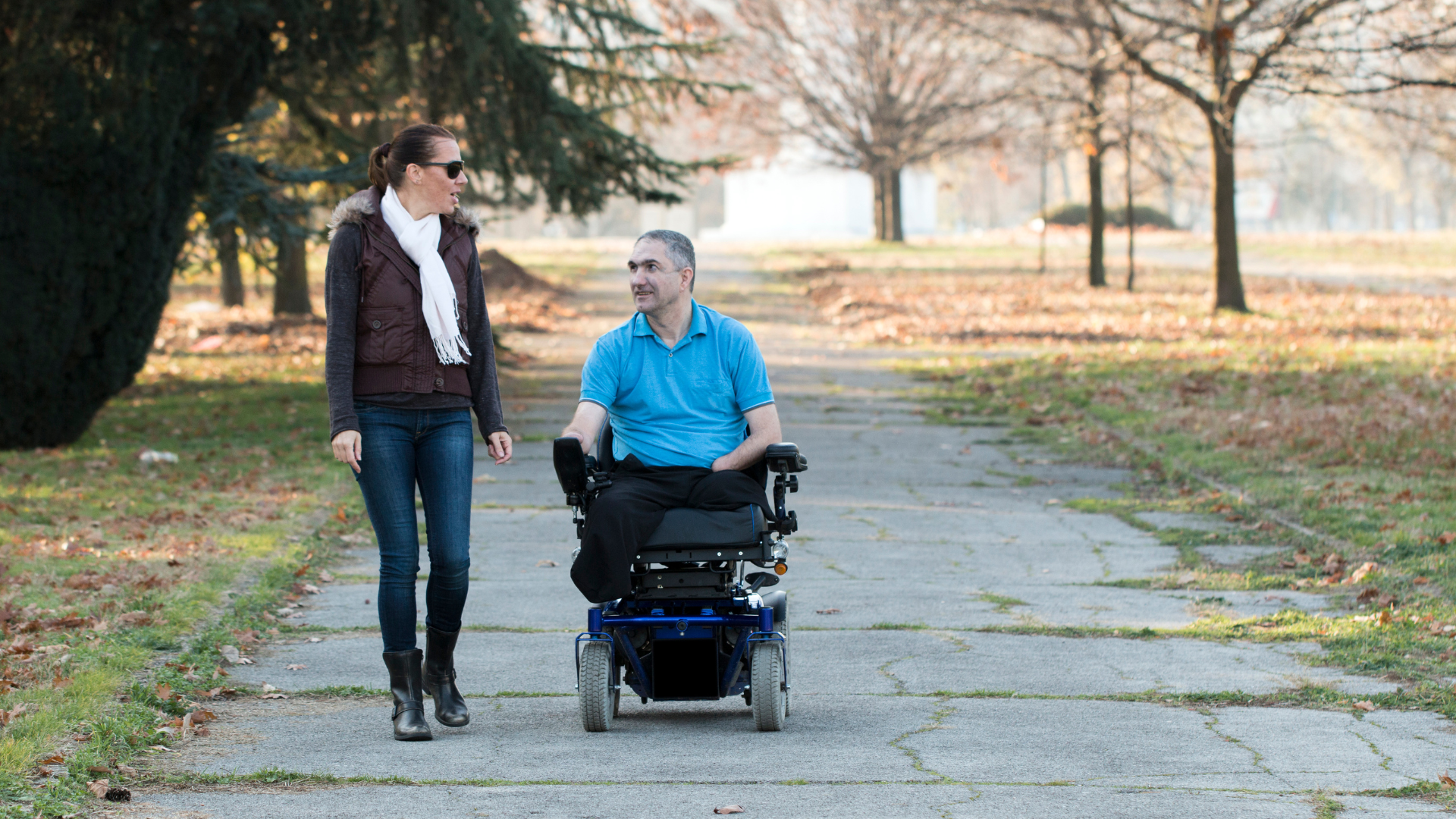
Losing a limb can change the way you move through your daily life, especially in the early stages of recovery. It’s common for people to wonder whether they’ll need a wheelchair after an amputation and whether a power wheelchair might be an option through insurance.
We break down how amputations can affect mobility and what it takes to qualify for a power wheelchair below.
Key Takeaways:
- Some people regain mobility with a prosthetic limb, while others rely on a wheelchair during recovery or long-term, depending on their condition.
- If using a prosthetic or operating a manual wheelchair isn’t safe or practical, a power wheelchair may be considered medically necessary.
- Several wheelchair options are available for amputees.
Will I Need a Wheelchair After Losing a Leg?
No, not everyone needs a wheelchair after losing a leg, but it is pretty common to use one during recovery or rehabilitation. Overall, some individuals transition to a prosthetic leg and walk independently again, while others may continue using a wheelchair for certain activities or even their full-time mobility. It generally comes down to your energy level and how well a prosthetic limb ends up working for you.
Can I Qualify for a Power Chair After an Amputation?
Yes, amputees can qualify for a power wheelchair if their mobility limitations meet medical and insurance requirements.
In general, a power wheelchair may be recommended when walking, using a prosthetic limb, or propelling a manual wheelchair does not provide enough mobility for daily activities at home. Insurance providers typically look at whether a person can move safely between rooms and complete basic daily tasks within their living space.
If those activities are difficult or unsafe without powered mobility, a physician may determine that a power wheelchair is medically necessary.
Do Amputees Qualify for a Group 3 Power Wheelchair?
Amputees may qualify for a Group 3 power wheelchair if they need more advanced seating or positioning support. Group 3 wheelchairs are designed for individuals with more complex mobility needs and usually include features such as power tilt, recline, or specialized seating systems.
In order to qualify, a clinician must document why those advanced features are necessary and why a standard power wheelchair would not provide enough support.
Types of Amputations and How They Affect Mobility
The level of amputation can affect how easily someone is able to walk or use a prosthetic limb. At the end of the day, not everyone is a good candidate for a prosthetic leg.
Toe or Partial Foot Amputation
A toe or partial foot amputation usually allows people to continue walking, typically with specialized footwear or a prosthetic device. That said, balance can still feel different after this type of surgery. Some people choose to use a wheelchair for longer outings or when standing and walking become tiring.
Leg Amputation (Below-Knee or Above-Knee)
Below-knee amputations usually allow for better mobility with a prosthetic leg because the knee joint is still intact. With physical therapy and practice, some individuals can walk comfortably again.
Walking after an above-knee amputation is usually more challenging because the knee joint is no longer there to support movement. Because of this, some individuals with above-knee amputations rely on a wheelchair for daily mobility or longer distances.
What Are the Best Wheelchairs for a Leg Amputee?
The best wheelchair for a leg amputee depends on the individual’s strength, mobility level, and daily routine.
Manual Wheelchairs
Some amputees use a manual wheelchair, especially if they have enough upper body strength to propel themselves comfortably. These chairs can be customized to improve stability and balance for users with limb loss. For example, an amputee axle can shift the chair’s center of gravity slightly backward to compensate for the missing limb and make the chair feel more balanced. Manual wheelchairs may also include anti-tip wheels, which help prevent the chair from tipping backward when navigating ramps or uneven surfaces.
Lightweight Wheelchairs
Others may choose a lightweight or ultra-lightweight wheelchair, which is easier to maneuver and transport. These chairs are often used by individuals who only need a wheelchair part-time, such as for longer outings or travel.
Power Wheelchairs
For amputees who experience fatigue, limited upper body strength, or difficulty propelling a manual wheelchair for long periods of time, a power wheelchair may be the better option. Power chairs use electric motors and are controlled with a joystick or other drive controls, allowing users to move around with much less physical effort. They can also be customized with positioning components and seating adjustments designed to improve comfort throughout the day.
Some wheelchairs also include residual limb supports, which help stabilize the remaining portion of the limb and reduce pressure or discomfort while sitting. These types of adjustments can make a noticeable difference in how comfortable and safe the wheelchair feels during everyday use.
Have Questions About Eligibility? We’re Here to Answer Them
At Freedom Mobility, we help individuals find rehab equipment that fits their mobility level and lifestyle. We also provide wheelchair service and repairs, so if you’re having issues with your current mobility equipment, our team can help get things working again.
Ready to get started? Contact us today or call 800-980-5696 to schedule a consultation or learn more about your wheelchair options.
March 25, 2026 by Freedom Mobility
Losing a limb can change the way you move through your daily life, especially in the early stages of recovery. It’s common for people to wonder whether they’ll need a wheelchair after an amputation and whether a power wheelchair might be an option...