

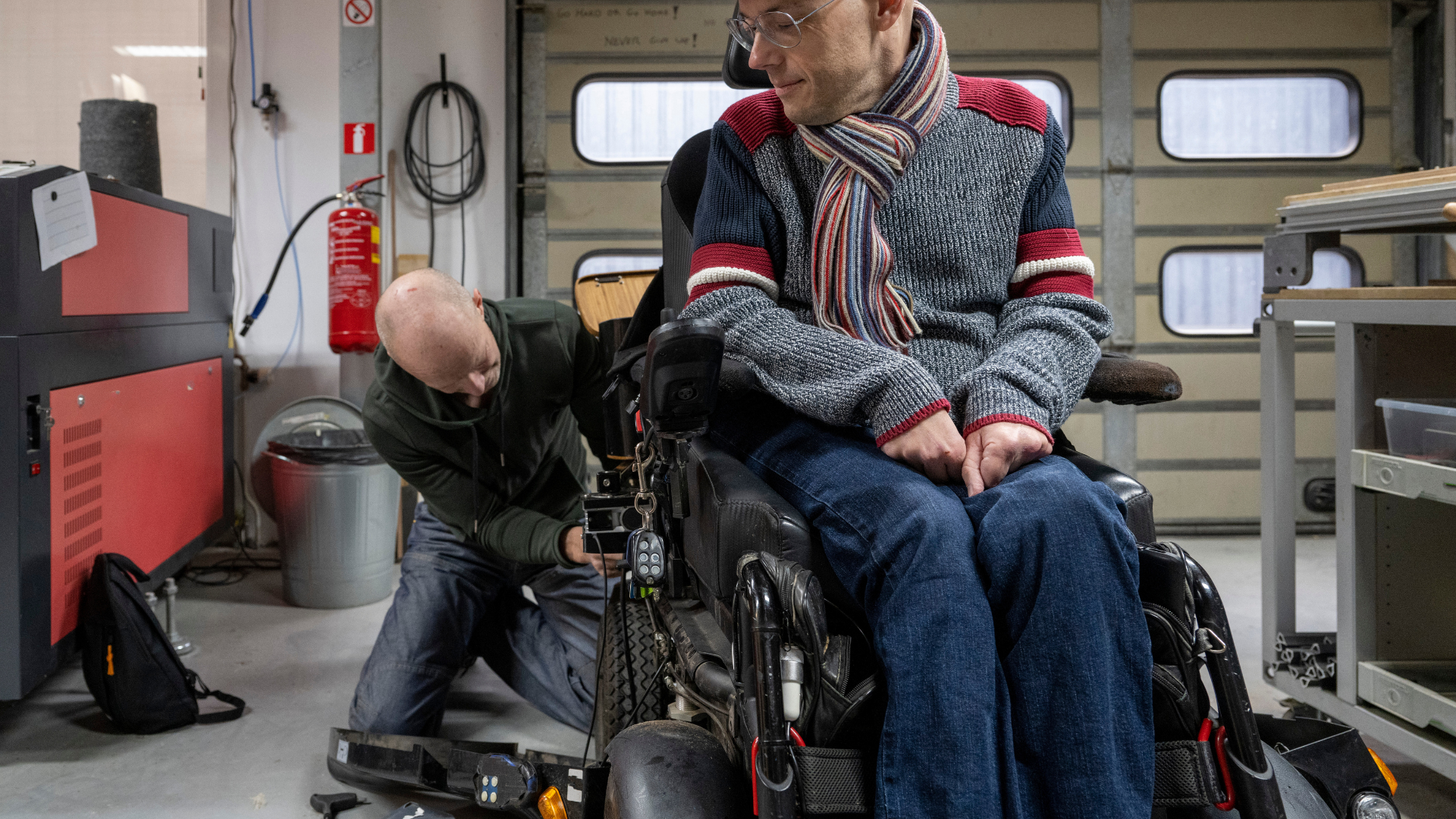
Finding the right mobility equipment involves a lot more than just choosing a wheelchair. That’s where Assistive Technology Professionals, also called ATPs, come in. These specialists help evaluate mobility needs and guide patients through the process of finding technology that works for their lifestyle and medical condition.
Learn more about what ATPs do and how mobility equipment evaluations typically work below.
Key Takeaways:
- Assistive Technology Professionals (ATPs) evaluate mobility and accessibility needs before recommending equipment.
- ATPs usually work alongside physicians, therapists, caregivers, and insurance providers throughout the evaluation process.
- Wheelchair evaluations may involve equipment customization and insurance documentation.
What Is Assistive Technology?
Assistive technology is any piece of equipment or device that helps someone with a disability perform daily activities more independently. For example, anything from power wheelchairs to custom seating systems would fall under assistive technology. So would grab bars in a bathroom or software that helps someone use a computer if they have limited hand movement or vision loss.
What Are the 4 Types of Assistive Technology?
As mentioned above, assistive technology covers a pretty wide range of equipment, but most devices fall into one of four general categories:
- Mobility Aids: Manual wheelchairs, power wheelchairs, walkers, crutches, and scooters.
- Communication Aids: Speech-generating devices, communication boards, and text-to-speech software.
- Daily Living Aids: Adapted utensils, dressing tools, shower chairs, and other equipment used around the home.
- Cognitive Aids: Reminder systems, scheduling tools, certain apps, or electronic devices.
What Is an Assistive Technology Professional?
An Assistive Technology Professional (ATP) is a certified specialist who evaluates people for assistive technology and helps recommend equipment based on their medical and functional needs.
For instance, a wheelchair that works well inside a clinic may not always be practical inside someone’s home if the hallways are narrow or the flooring is uneven. Simply put, ATPs do their best to look at the full picture before making any recommendations.
What Does an Assistive Technology Professional Do?
ATPs work directly with clients, caregivers, physicians, therapists, and equipment providers throughout the evaluation and equipment process. The process usually begins with an evaluation in which the ATP observes how someone sits and whether their current equipment is meeting their needs. That information is then used to guide their recommendations for certain features, from specific wheelchair controls to seating modifications.
Finally, assistive technology professionals also handle quite a bit of the documentation required for insurance approval, which typically means detailed evaluations and written explanations that explain why a specific piece of equipment is medically necessary.
How Does Someone Become an ATP?
To become an ATP, you must complete certification requirements through the Rehabilitation Engineering and Assistive Technology Society of North America (RESNA). The certification process includes work experience requirements, continuing education, and an exam on assistive technology, mobility equipment, anatomy, seating, and positioning.
Most ATPs come from healthcare or rehabilitation backgrounds and have specialized experience in occupational therapy, physical therapy, rehabilitation engineering, or durable medical equipment.
Frequently Asked Questions
Do I Need a Referral to Work with an Assistive Technology Professional?
Not necessarily. Some people are referred by a doctor, physical therapist, or occupational therapist, while others reach out to an ATP on their own after realizing their current equipment no longer meets their needs.
Keep in mind that insurance providers may still require a referral or additional documentation before approving certain evaluations or mobility equipment.
Can an ATP Help Customize a Wheelchair?
Yes, customization is one of the main parts of the evaluation process for many wheelchairs! Depending on the person’s needs, an ATP may recommend adjustments to the seating system, cushions, armrests, footplates, headrests, positioning systems, or power controls, among other things.
Does Insurance Cover Assistive Technology Evaluations or Equipment?
Sometimes, it really depends on the insurance plan and the type of equipment being recommended. Many insurance providers, including Medi-Cal, may cover mobility equipment if it’s considered medically necessary. That said, the approval process usually includes evaluations, documentation from doctors or therapists, letters explaining why the equipment is needed, and approval from the insurance company before anything is able to move forward.
How Often Should Mobility Equipment Be Reevaluated?
There’s no single timeline that applies to everyone, but it’s generally a good idea to schedule an evaluation anytime your equipment becomes uncomfortable or is no longer able to support you like it used to. Some people may be able to use the same equipment comfortably for years, while others need adjustments more often because their physical needs change, such as with conditions like Amyotrophic Lateral Sclerosis (ALS).
Ready to Get Started? Get In Touch With Our RESNA-Certified Team Today!
Have questions about wheelchair evaluations? Not sure where to start? Our team works with clients throughout California to find them equipment that fits not only their medical needs, but also their lifestyle.
Whether you’re getting your first wheelchair or replacing equipment you’ve had for years, contact Freedom Mobility today or call 1-800-980-5696 to learn more or schedule an evaluation.
April 29, 2026 by Freedom Mobility
Finding the right mobility equipment involves a lot more than just choosing a wheelchair. That’s where Assistive Technology Professionals, also called ATPs, come in. These specialists help evaluate mobility needs and guide patients through the process...