

Guillain-Barré Syndrome, or GBS, is a rare condition that can cause sudden weakness in the legs, arms, and sometimes other parts of the body. While it’s generally short-term, it can leave you wondering how recovery will look and what kind of support you might need to stay safe and independent in the interim.
Our Assistive Technology Professionals (ATPs) break down how GBS affects movement and what to expect during each stage of recovery here.
Key Takeaways:
- Guillain-Barré Syndrome (GBS) is a rare condition where the immune system attacks the nerves.
- Recovery can take weeks or months, and mobility needs often change during different stages of the condition.
- Wheelchairs or other mobility aids are usually temporary tools to support daily activity and conserve energy.
What Is Guillain-Barré Syndrome?
Guillain-Barré Syndrome is a rare autoimmune disorder in which the immune system attacks the peripheral nerves, leading to weakness and sometimes paralysis. Symptoms often begin suddenly and worsen rapidly.
Many people first notice tingling or numbness in their feet or legs, followed by muscle weakness that spreads upward through the body. In more severe cases, GBS can affect the arms, facial muscles, or breathing. The condition typically follows a predictable pattern made up of three phases: acute, plateau, and recovery.
How Fast Does Guillain-Barré Syndrome Progress?
Guillain-Barré Syndrome usually progresses quickly, with most people reaching their weakest point within one to two weeks. For some, symptoms can worsen over just a few days, while others experience a more gradual decline.
Because the condition advances so rapidly, many individuals require hospitalization during the acute phase so symptoms can be closely monitored and treated as soon as possible.
What Type of Wheelchair Is Best for Guillain-Barré Syndrome?
The best wheelchair for Guillain-Barré Syndrome depends on which stage of recovery a person is in and how much strength and mobility they currently have. One’s wheelchair needs are likely to change over time as symptoms stabilize and recovery begins.
Rather than being a permanent solution for those diagnosed with GBS, wheelchairs are typically used temporarily to conserve energy and make daily activities more manageable while the body heals.
Phase-By-Phase Wheelchair Recommendations
Acute
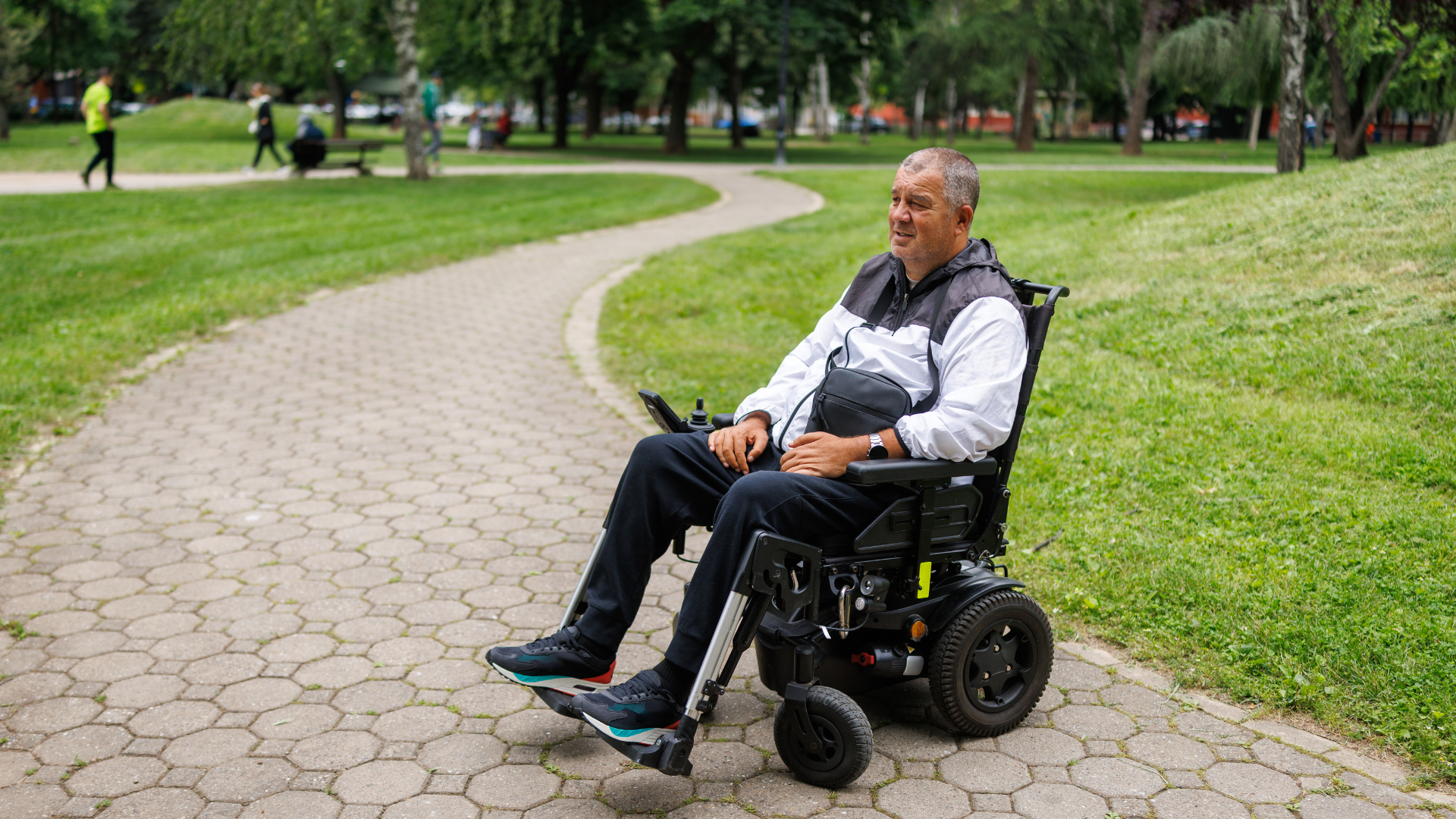
During this stage, weakness can come on quickly. Many people need full support and may rely on a wheelchair for most or all mobility. Wheelchairs with reclining or tilt features can help support posture and reduce strain while moving or resting. Power wheelchairs may also help conserve energy when even short distances feel tiring.
Plateau
Symptoms stop getting worse, but strength hasn’t returned yet. A wheelchair is still often needed, though some people may start doing small movements or therapy. At this stage, lighter manual chairs or power-assisted chairs can make it easier to participate in therapy while still providing support and stability.
Recovery
Strength slowly begins to return. Some people transition to a walker or a cane, while others gradually reduce how much they rely on a wheelchair. The type of wheelchair may change to something lighter or more portable, depending on how much it’s still needed for daily life.
It’s also important to note that not everyone will fully stop using a wheelchair. Some people rely on them long-term for safety or energy conservation even after their endurance picks up.
Do People with GBS Always Need a Wheelchair?
No, people with Guillain-Barré Syndrome don’t always need a wheelchair. Many individuals only use one temporarily during the most severe stages of weakness. Some people ultimately regain enough strength to walk independently, while others may transition from a wheelchair to a walker or cane.
Frequently Asked Questions About Guillain-Barré Syndrome
What Causes Guillain-Barré Syndrome?
Guillain-Barré Syndrome is most often triggered by an infection, such as a respiratory illness or stomach virus. In rare cases, surgery or vaccination might act as a trigger.
All these events can cause the immune system to respond incorrectly, which, in turn, leads it to attack the peripheral nerves instead of protecting the body. Researchers believe this happens because the immune system mistakes the body’s own nerve cells for foreign invaders.
How Is Guillain-Barré Syndrome Diagnosed?
There isn’t a single test that can confirm Guillain-Barré Syndrome, so diagnosis usually involves a combination of assessments. Doctors will perform a neurological exam to check for muscle weakness or changes in reflexes. They may also order tests to evaluate nerve function, such as nerve conduction studies, or analyze cerebrospinal fluid via lumbar puncture for signs of inflammation.
Diagnosis can take time because GBS symptoms can resemble other conditions, like stroke or other neuropathies.
How Long Does Guillain-Barré Syndrome Last?
The short answer is that it varies widely from person to person. The acute phase, when symptoms worsen rapidly, typically lasts a few days to several weeks. After that, there may be a plateau period where symptoms stabilize. Full recovery can take several months, and in some cases, more than a year.
While most people regain most of their strength and function, some may experience lingering weakness and sensory changes.
Can Guillain-Barré Syndrome Come Back?
Most people experience GBS just once. Recurrence is rare, but some may notice mild weakness or fatigue for months or even years after the initial episode. Very rarely, a person may experience a relapse of GBS. Any new or returning symptoms should be discussed with a doctor to rule out other causes.
How Rare Is Guillain-Barré Syndrome?
Guillain-Barré Syndrome is rare and affects only about one in 100,000 people per year. It can occur at any age and affects people of all genders.
Is Guillain-Barré Syndrome Hereditary?
No, GBS isn’t considered hereditary. As mentioned above, current research suggests it’s caused by immune system responses to environmental triggers rather than genetics. While genetics may influence how the immune system responds in some people, there’s no evidence that GBS runs in families or can be predicted based on family history.
Where Can I Get Help Choosing the Right Wheelchair?
Having the right wheelchair can make a world of difference in staying independent and safe during GBS recovery. Some people need a wheelchair temporarily, while others rely on it longer term.
If you live in California, our team at Freedom Mobility can help you figure out the best option for your situation and get you set up with a solution that fits your needs. Contact us or call 800-980-5696 today to get started!
January 6, 2026 by Freedom Mobility
Guillain-Barré Syndrome, or GBS, is a rare condition that can cause sudden weakness in the legs, arms, and sometimes other parts of the body. While it’s generally short-term, it can leave you wondering how recovery will look and what kind of support...