

Sudden changes in your mobility can be confusing, and it’s hard to know what to do first. Maybe you’re getting tired faster or noticing small changes in how you move.
The good news is that there are practical steps you can take to figure out what’s causing the change and get the support you need. Keep reading to learn what to watch for and how to respond.
Key Takeaways:
- Sudden changes in mobility can happen due to medical events, injuries, or gradual changes that reach a tipping point.
- Noticing small differences in your strength or balance can help you identify when it’s time to seek support.
- Early guidance from healthcare professionals can help you stay independent and find the right therapies or equipment to support your mobility.
What Causes Sudden Loss of Mobility?
Sudden mobility loss is usually linked to a medical event, an injury, or a condition getting worse. Sometimes it feels sudden, but the issue has actually been building for a while and only becomes noticeable when something pushes it over the edge.
Medical Conditions
Health issues are one of the most common causes. A stroke, for example, can affect strength or coordination, often on one side of the body. A fall can lead to a fracture that makes it hard to put weight on a leg. Conditions like multiple sclerosis or Parkinson’s disease can also change how someone walks or moves, sometimes faster than expected.
Age-Related Changes
Age can also play a role. Almost everyone’s muscle mass gradually declines over time, and joint stiffness can make movements that used to feel automatic require a bit more effort. Balance may not be as steady as it once was. These changes don’t always feel dramatic at first, but they can suddenly become harder to ignore.
Environmental Factors
Sometimes it’s your surroundings that bring the issue to light. Stairs, narrow spaces, or a shower without grab bars might not have been a problem before, but after a change in mobility, they can quickly feel difficult or even unsafe.
What to Do When Your Mobility Suddenly Changes
If your mobility changes suddenly, start by paying attention to what feels different and making sure you’re safe where you are. If the change is severe or comes on quickly, it’s important to involve a medical professional.
Step 1: Identify What Feels Different
Ask yourself what feels different. Are you getting tired more quickly? Do you feel unsteady on your feet when you turn? Is getting up from a chair harder than it was last week? Getting clear on what’s changed can be instrumental in helping figure out what’s going on.
Step 2: Reduce Immediate Safety Risks
If stairs feel risky, avoid using them alone. Clear pathways through your home so you’re not stepping over cords or rugs. Make sure the lighting in your home is adequate, especially at night. These adjustments might seem small, but they’ll help minimize fall risk while you sort out longer-term solutions.
Step 3: Contact the Right Professional
If your mobility change followed a stroke, fall, or unexplained weakness, contact your physician. Even if it feels manageable, it’s better to rule out anything urgent. Early intervention can also open the door to physical therapy, occupational therapy, or mobility equipment that supports your recovery.
How to Deal with Losing Mobility
Losing mobility can feel personal, and it’s normal to go through some frustration or even a sense of loss as things change. One of the most helpful things you can do is give yourself time to adjust. Try to focus on what you can still do and look for ways to make your day-to-day a little easier.
Can Mobility Be Regained After Loss?
In many cases, yes. Mobility can improve depending on the cause and how consistent the treatment is. It may not look exactly the way it did before, but real progress is still possible. As mentioned above, getting the right support early can make all the difference. That might include:
- Physical Therapy: Focuses on rebuilding strength and improving balance.
- Occupational Therapy: Helps you adjust everyday tasks like getting dressed, bathing, or moving around your home so they feel more manageable.
- Adaptive Equipment: Tools like wheelchairs or home modifications that make it easier to stay mobile and reduce strain or risk of injury.
How Do I Know If My Home Is Still Safe for Me?
Your home should feel easy to move through without worrying about falling. After a change in mobility, it helps to walk through each space and notice where you feel unsure.
Bathrooms are often one of the first problem areas because of slippery surfaces. Stairs can also become more difficult. If you find yourself avoiding certain areas of your home, that’s usually a sign that something needs to be adjusted.
What to Do If Your Condition Changes After Getting a Wheelchair
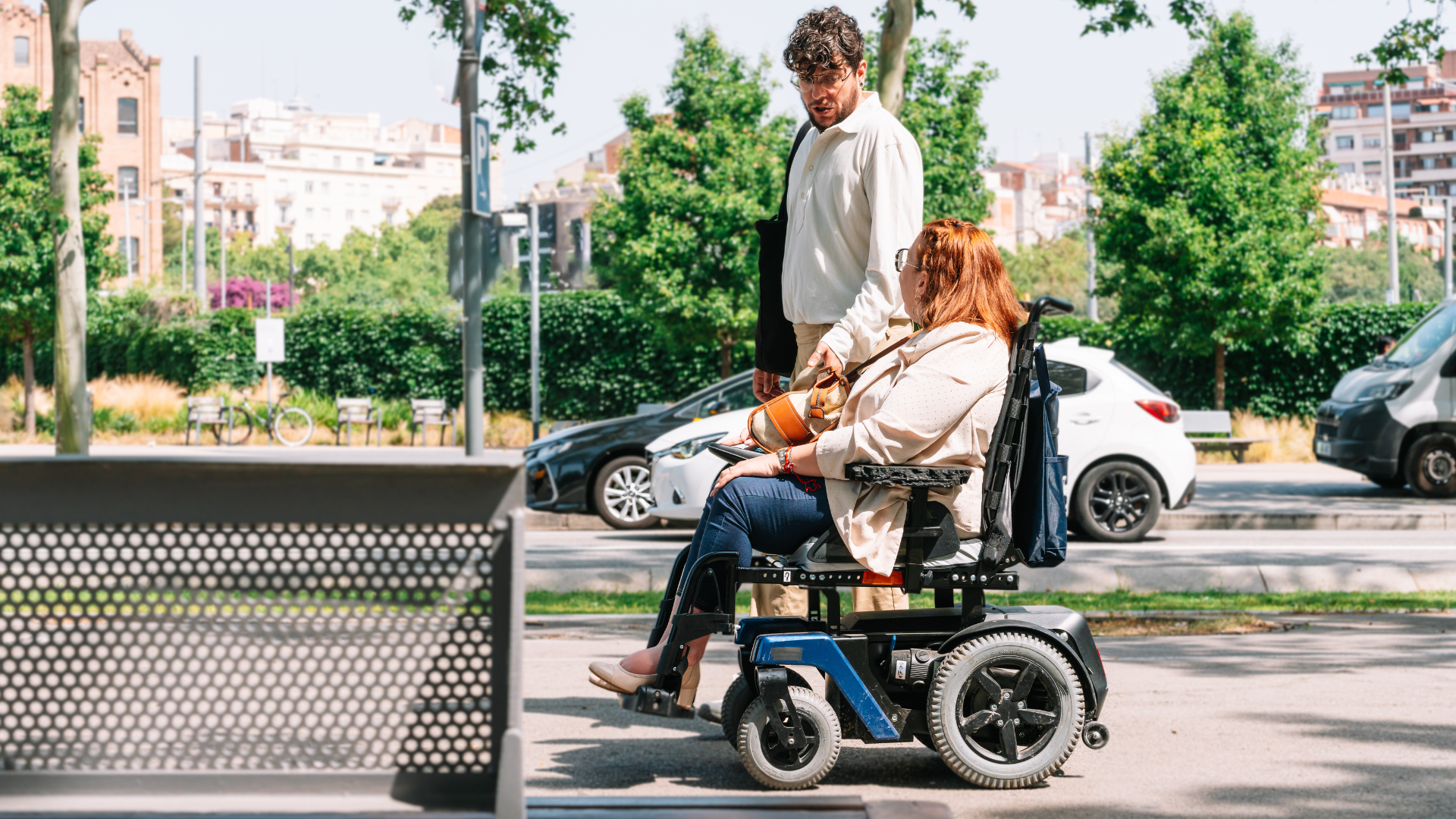
If your condition changes after getting a wheelchair, it’s important to make sure your equipment still fits your needs. New pressure points, discomfort, or changes in posture can all be signs that adjustments are needed.
Wheelchairs can often be modified with different cushions, supports, or positioning features. In some cases, someone using a manual chair may benefit from switching to a power chair. Others may need added support, like transfer aids or portable ramps.
The main thing to keep in mind is that your mobility needs can change over time, and your equipment should be able to change with you.
When Should I Seek Professional Help for Mobility Issues?
You should seek professional help if you’ve had a fall or you feel unsafe in your own home. Frequent stumbles, near-falls, or relying heavily on furniture for support are considered warning signs. So is fatigue that limits how far you can walk compared to just a few weeks ago. Getting support early can help prevent things from getting worse and make it easier to stay mobile and safe.
Adapting to a Sudden Mobility Change? We Can Help!
If your mobility has changed, you don’t have to navigate it alone! At Freedom Mobility, our RESNA-certified Assistive Technology Professionals can guide you through evaluating your needs and choosing the right wheelchair. Call 800-980-5696 or reach out to us online today!
January 20, 2026 by Freedom Mobility
Sudden changes in your mobility can be confusing, and it’s hard to know what to do first. Maybe you’re getting tired faster or noticing small changes in how you move. The good news is that there are practical steps you can take to figure out...